Buyers often ask how candlenut shell charcoal is produced, because the process affects consistency, test results and how the product performs in use. This guide explains the typical stages, from the raw shell to the packed product, and which points are worth asking a supplier about.
In this guide:
- Raw material: candlenut shells
- Cleaning and sorting
- Carbonization
- Quality control
- Packing and delivery
- Why the process matters to buyers
Raw Material: Candlenut Shells
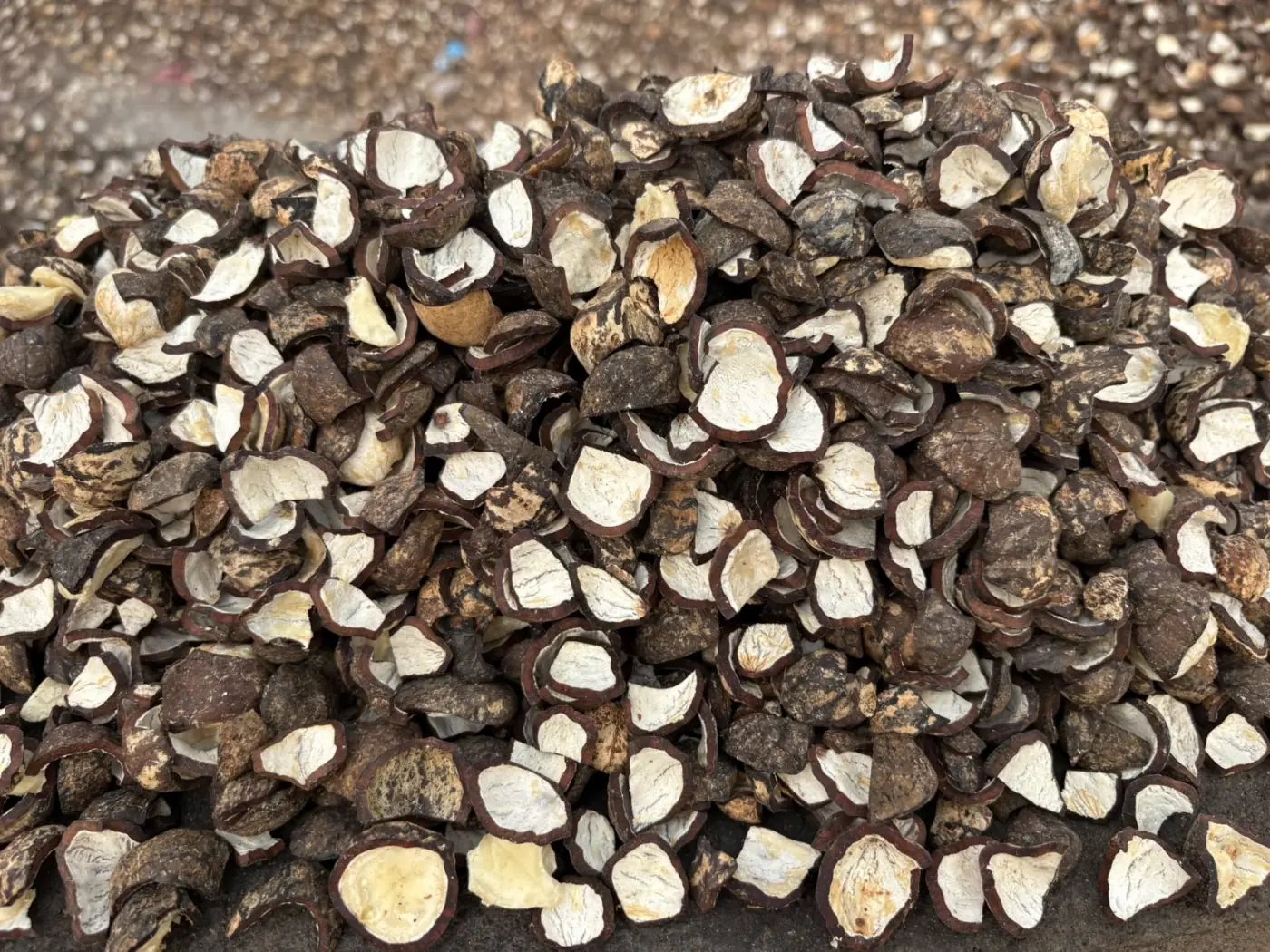
The raw material is the hard shell of the candlenut, known in Indonesia as kemiri. The kernel is removed for oil and food uses, and the shell is left as an agricultural by-product. Collecting and using these shells turns a residue into a fuel product. The quality of the finished charcoal starts here, so the condition and consistency of the shells matter.
Cleaning and Sorting
Before carbonization, the shells are cleaned and sorted. This step removes soil, kernel residue and other unwanted material, and it helps to keep each batch consistent. Clean, well-sorted raw material generally leads to a more uniform product and fewer problems later in the process.
Carbonization
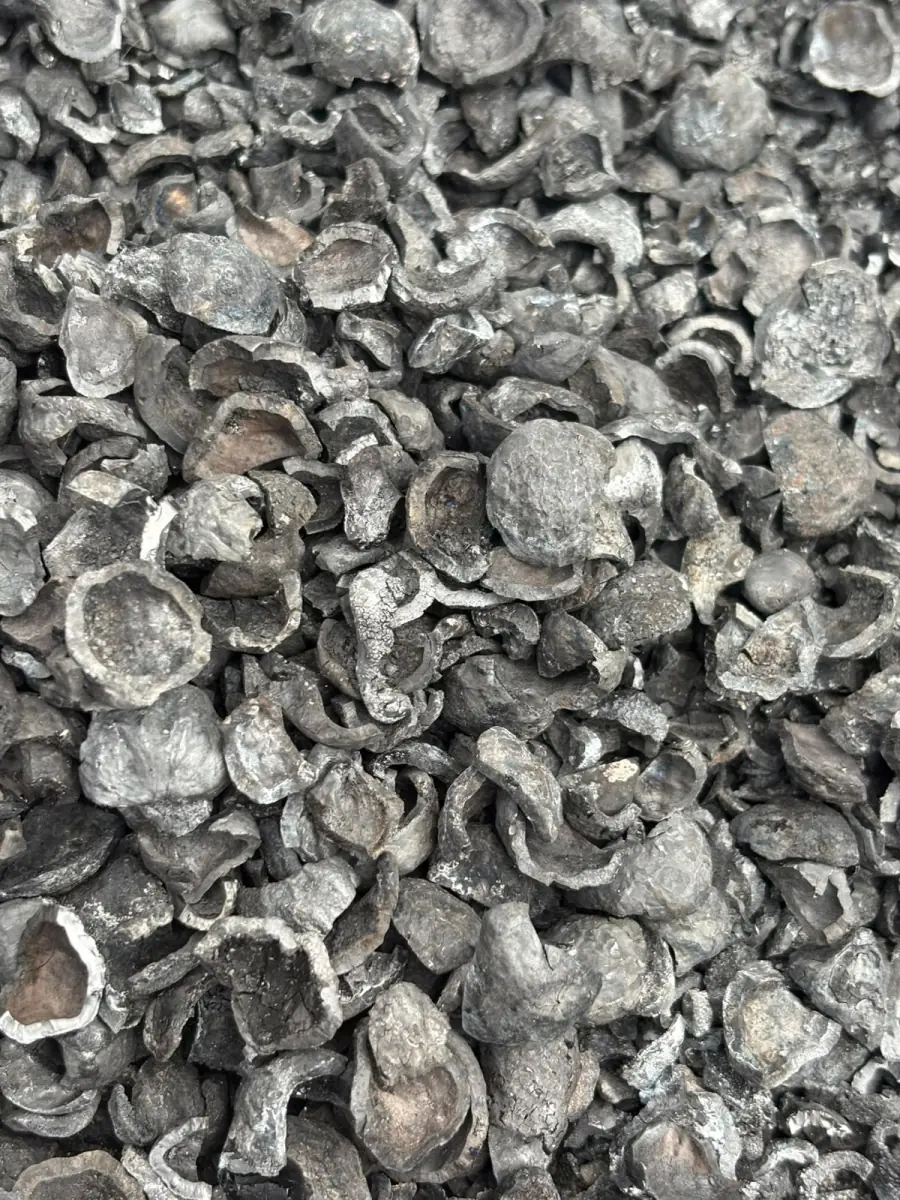
Carbonization is the central step. The shells are heated with limited oxygen, so they do not burn away but convert into carbon-rich charcoal. Moisture and volatile matter are driven off during this stage. Published studies on candlenut shell charcoal show that the kiln type, the heating time and the temperature all influence the yield and the quality of the result, which is why the method differs between producers.
After heating, the charcoal needs to cool in a controlled way before it is handled. Cooling too quickly or exposing it to air while still hot can reduce the quality of the product.
Quality Control
Quality control checks that the charcoal meets the required specification. This usually includes visual checks and, for formal results, laboratory testing of values such as moisture, ash, fixed carbon, volatile matter and calorific value. Our guide to charcoal specifications explains each of these terms.
Packing and Delivery
The finished charcoal is packed for storage and shipping. PT. Sinar Bintang Sukses offers bagged packing in 5 kg, 10 kg and 20 kg sizes, and custom export packaging can be discussed. Packing should keep the charcoal dry and limit breakage in transit. See packaging and export supply for details on how export orders are handled.
Why the Process Matters to Buyers
Two suppliers can describe the same product and still produce it differently. When you evaluate a supplier, consider asking:
- Which raw material is used, and how is it cleaned and sorted?
- How is carbonization carried out, and how is it controlled?
- How is each batch checked, and can you see the test report?
- How is the product packed to protect it during shipping?
These questions also help you compare suppliers, as explained in our guide on how to choose a biomass charcoal supplier in Indonesia. For background on the product itself, read the candlenut shell charcoal buyer’s guide.
If you want to discuss specifications or the production process for your requirements, you can Contact Our Export Team on WhatsApp.