
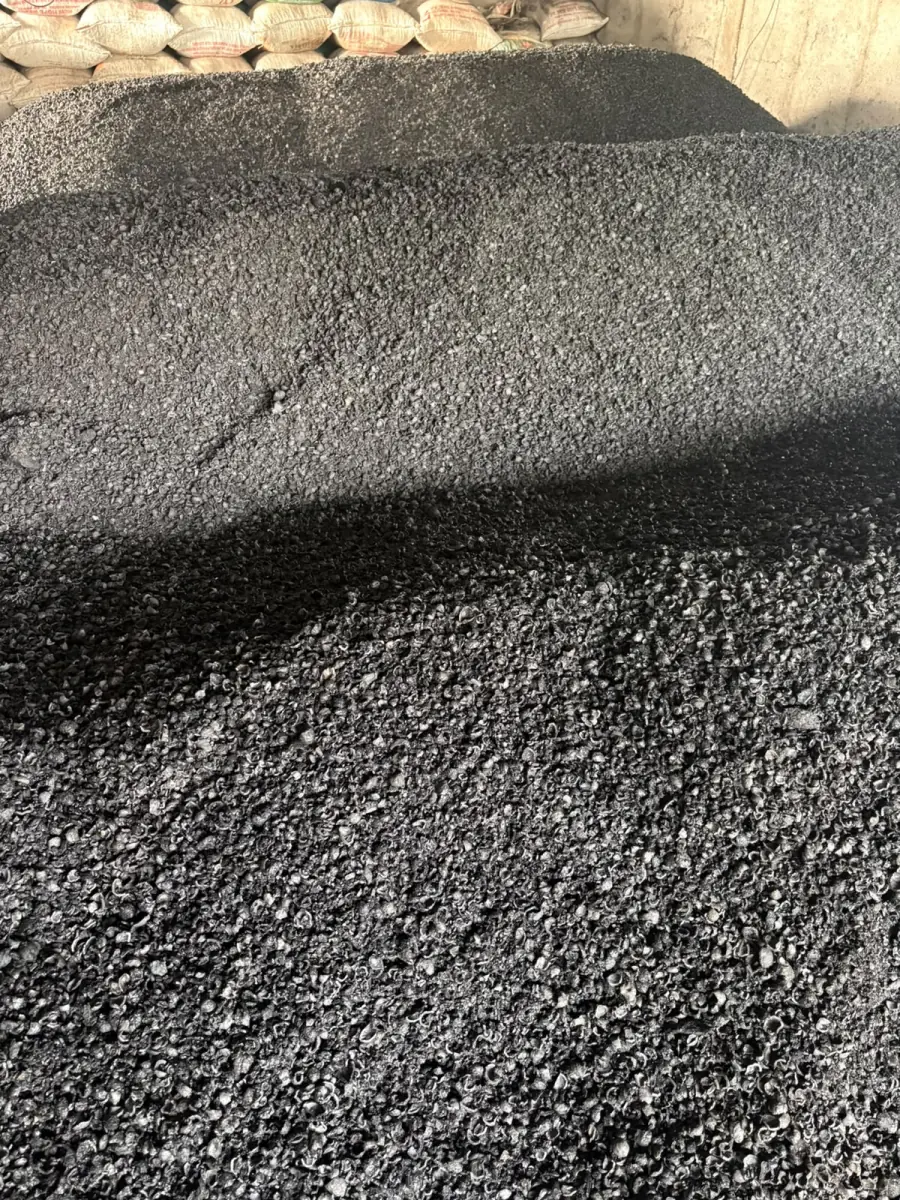
When you compare offers for candlenut shell charcoal, the specification sheet is where suppliers differ most. Terms such as moisture, ash, fixed carbon and volatile matter are standard in the biomass and charcoal trade, but they are not always explained to first-time buyers. This guide explains what each term means and what to confirm before you order.
In this guide:
- Why specifications matter
- Moisture content
- Ash content
- Fixed carbon
- Volatile matter
- Calorific value
- What to request from a supplier
Why Specifications Matter
Charcoal is a natural product, so values change with the raw material, the carbonization process and how the product is stored. A supplier that gives you a clear specification, and the test report behind it, lets you compare offers on the same basis. Without that, two quotations that look similar can describe different products.
Moisture Content
Moisture is the water held in the charcoal, usually shown as a percentage of weight. Because you buy by weight, higher moisture means you pay for water, and it can also affect how the charcoal stores and burns. Ask how moisture is measured and whether the figure applies to the product at the time of loading.
Ash Content
Ash is the non-combustible mineral residue left after the charcoal is burned. A lower ash figure generally means less residue, which matters in many fuel and processing uses. Ash is reported as a percentage, and the acceptable level depends on your own application.
Fixed Carbon
Fixed carbon is the solid carbon that remains after moisture and volatile matter are driven off. It is often used as an indicator of how much usable carbon the charcoal contains. It is normally calculated from the other test results, so check that the figures in a report are consistent with each other.
Volatile Matter
Volatile matter is the part of the charcoal that is released as gas and vapor when heated. It influences how the product ignites and how much smoke it can produce. Charcoal carbonized at a higher temperature or for longer generally holds less volatile matter, so ask how the supplier controls carbonization.
Calorific Value
Calorific value shows how much heat is released when a unit of weight is burned. It can be reported in kcal/kg, MJ/kg or cal/g, so confirm the unit before comparing offers. Also ask whether the value is reported on an as-received, air-dried or dry basis, since the basis changes the number.
What to Request From a Supplier
Before you order, it helps to confirm the following in writing:
- A laboratory report for the product, including the laboratory name and the test method used.
- The basis of each figure, such as as-received or dry basis.
- Whether the figures are typical values or guaranteed limits for your shipment.
- A sample, so you can test the product in your own process before a bulk order.
Our product specifications page lists indicative values for reference. Final specifications are confirmed in the quotation. For packing questions, see packaging and export supply, and for background on the product, read our candlenut shell charcoal buyer’s guide.
If you need to compare specifications for your own requirements, PT. Sinar Bintang Sukses can discuss them with you. Ask About Specifications on WhatsApp.